Lesson 6 completes the checklist progression with two briefings: the passenger briefing and a runway-based abort plan. The student then flies rejected-takeoff and engine-failure-on-takeoff exercises in the simulator, set up however the instructor chooses. After each one, our technique has the instructor review whether the student followed the briefed plan and the aircraft's procedure.
How do you connect takeoff briefings to emergency practice?
Complete the checklist progression with the abort-plan and passenger briefings. Connect those briefings to rejected-takeoff and engine-failure-on-takeoff exercises in the simulator.
Lesson 6 of 6
Step 1 of 4
Connect the final checklist to the briefings
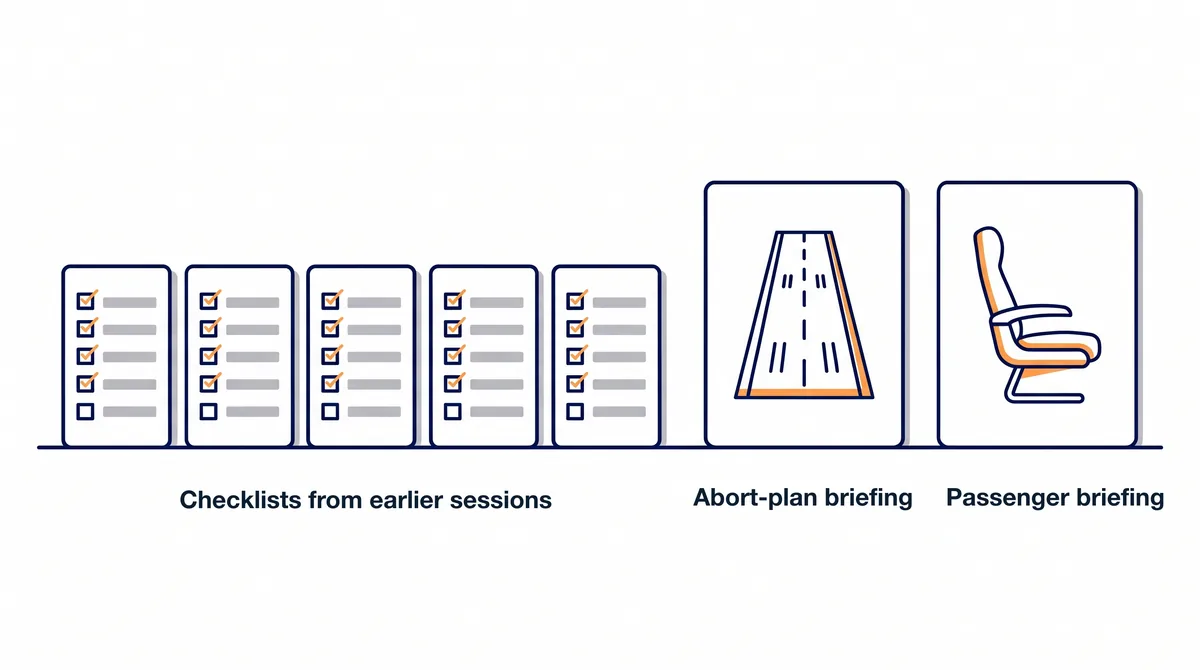
Figure 1. Notice how the checklist progression leads into the abort-plan and passenger briefings. Do
- Review the checklist progression from the earlier sessions.
- Introduce the abort-plan and passenger briefings as the final part of that progression.
- Use the applicable POH/AFM and simulator manuals to prepare the takeoff-emergency exercises.
Say
- The final checklist work leads into the briefings and what we will practice next.
Watch for
- Briefings are treated as a separate recital with no connection to the planned exercise.
- You add a new emergency action that is absent from the applicable procedure.
Step 2 of 4
Have the student give the abort-plan briefing
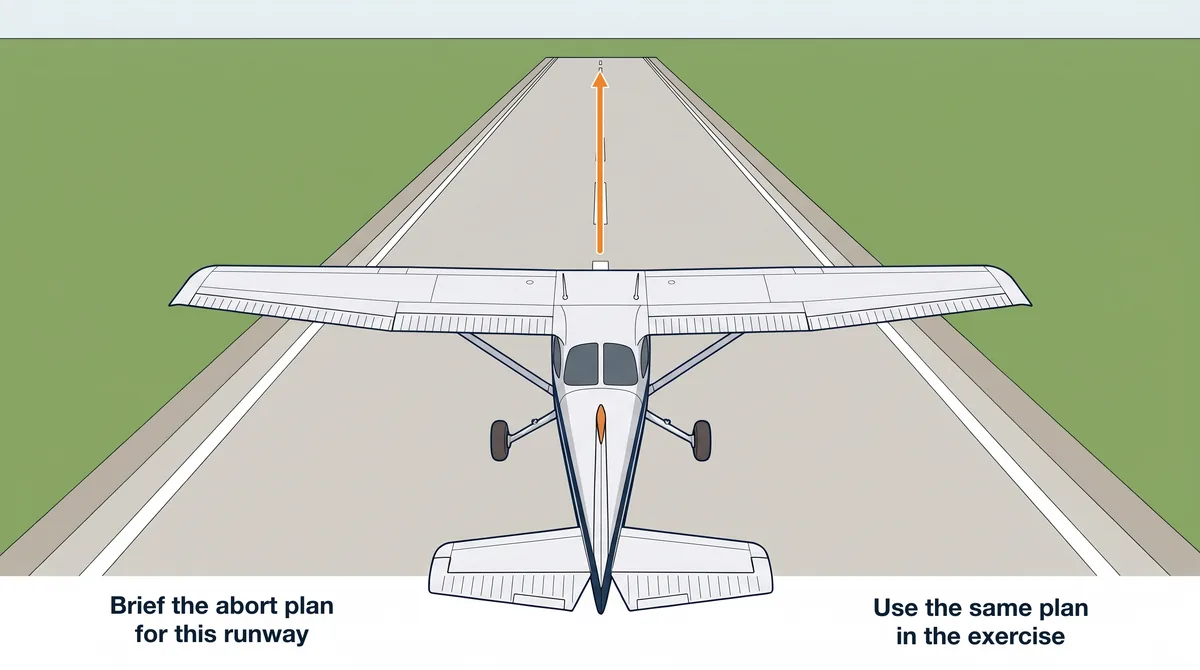
Figure 2. Notice how the abort plan starts from the whole runway ahead of the airplane. Do
- Use the runway-based Abort Plan Briefing in Student Pilot Briefings: What to Say for this simulator flight.
- Have the student give the runway-based abort-plan briefing for the simulator flight.
- Review it against the applicable aircraft procedure before using it in the rejected-takeoff exercise.
- Explain how this briefing connects to the exercise without inventing abort speeds or decision thresholds.
Say
- Brief the abort plan you will use for this simulator exercise.
Watch for
- The briefing and the intended rejected-takeoff exercise describe different plans.
- A generic threshold is substituted for the aircraft procedure.
Step 3 of 4
Have the student give the passenger briefing
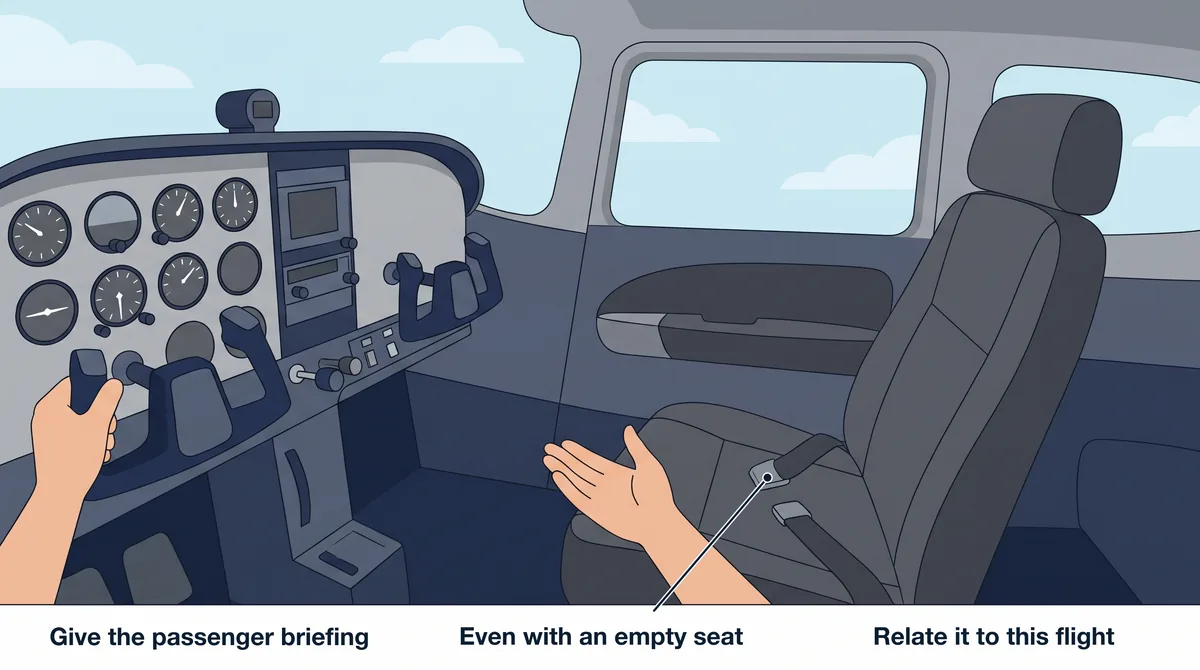
Figure 3. Notice how the passenger briefing is given in full even with the right seat empty. Do
- Have the student give the passenger briefing.
- Use the Passenger Briefing in Student Pilot Briefings: What to Say to prepare and review the student's briefing.
- Connect the briefing to the flight and emergency practice that follows.
Say
- Give the passenger briefing for this flight.
Watch for
- The student skips the briefing because there is no passenger in the simulator.
- A memorized script is used without relating it to the flight.
Step 4 of 4
Use the briefings in the takeoff-emergency exercises
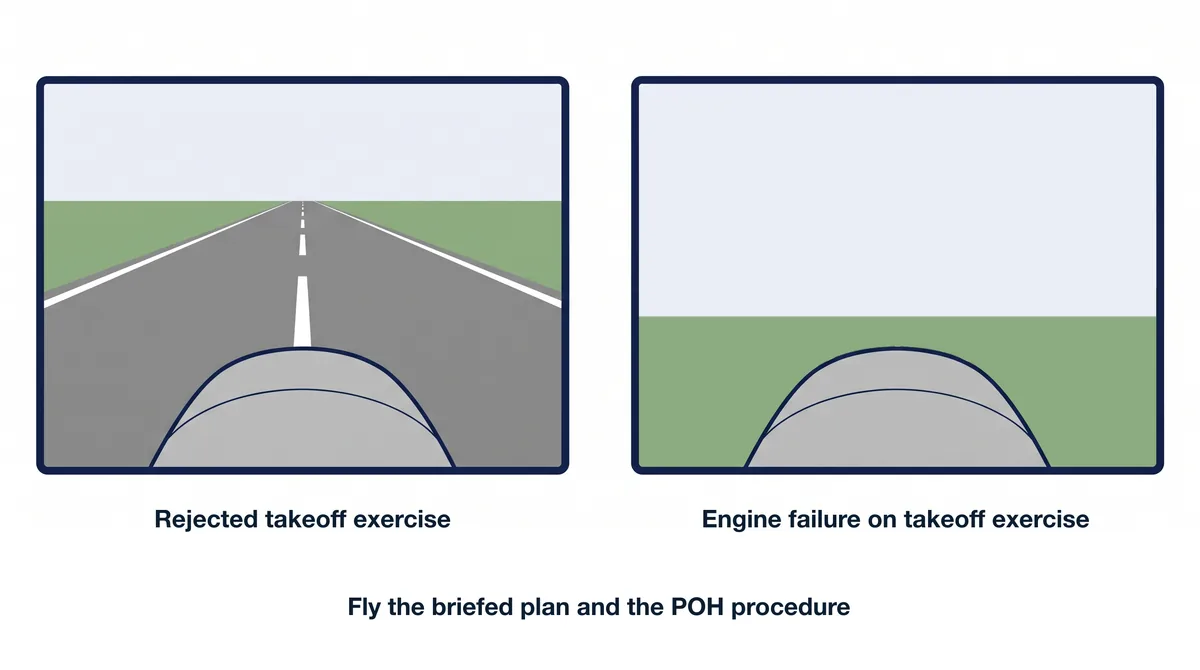
Figure 4. Notice how both takeoff exercises follow the briefed plan and the applicable POH procedure. Do
- Lead from the briefings into rejected-takeoff and engine-failure-on-takeoff exercises in the simulator.
- The instructor chooses which takeoff emergency to set up and when to trigger it.
- Use the applicable aircraft procedures for the actions and the simulator manuals for the setup.
- After each exercise, review whether the student followed the briefed plan and the applicable procedure.
Say
- Use the plan you briefed and the aircraft procedure.
Watch for
- The instructor has not confirmed the simulator failure setup.
- The student abandons the briefed plan or cannot explain the actions taken.
The diagrams on this page are AI-generated teaching images. If you see an issue, please tell us through the contact form.
What does lesson 6 cover from start to finish?
Connect the final checklist to the briefings → Have the student give the abort-plan briefing → Have the student give the passenger briefing → Use the briefings in the takeoff-emergency exercises